AI o'z "avtomagistrali"ga ega bo'lishi kerak — bu sizning loyihangizga qanday ta'sir qiladi
The Hidden Bottleneck Stopping Your AI App
You know that feeling when your AI project is almost done, but something feels broken? The model works great. The interface looks clean. And then you realize — there's no good way to get fresh, real data into it.
If this sounds familiar, you're hitting one of AI's biggest hidden problems.
The Web Wasn't Built for Robots
Here's the uncomfortable truth: the internet exists for humans, not algorithms. When you try to feed web data into an AI system, things get ugly fast. Websites block automated access. Information comes in messy, inconsistent formats. Real-time updates are scattered across a thousand different places with no standard way to reach them.
It's like trying to fill a bathtub using an eye dropper. Technically doable? Yes. Practical? Absolutely not.
The Missing Piece
But here's the exciting part: something new is taking shape. A whole category of infrastructure is emerging to bridge the gap between messy human-friendly web content and the clean, structured data AI systems desperately need.
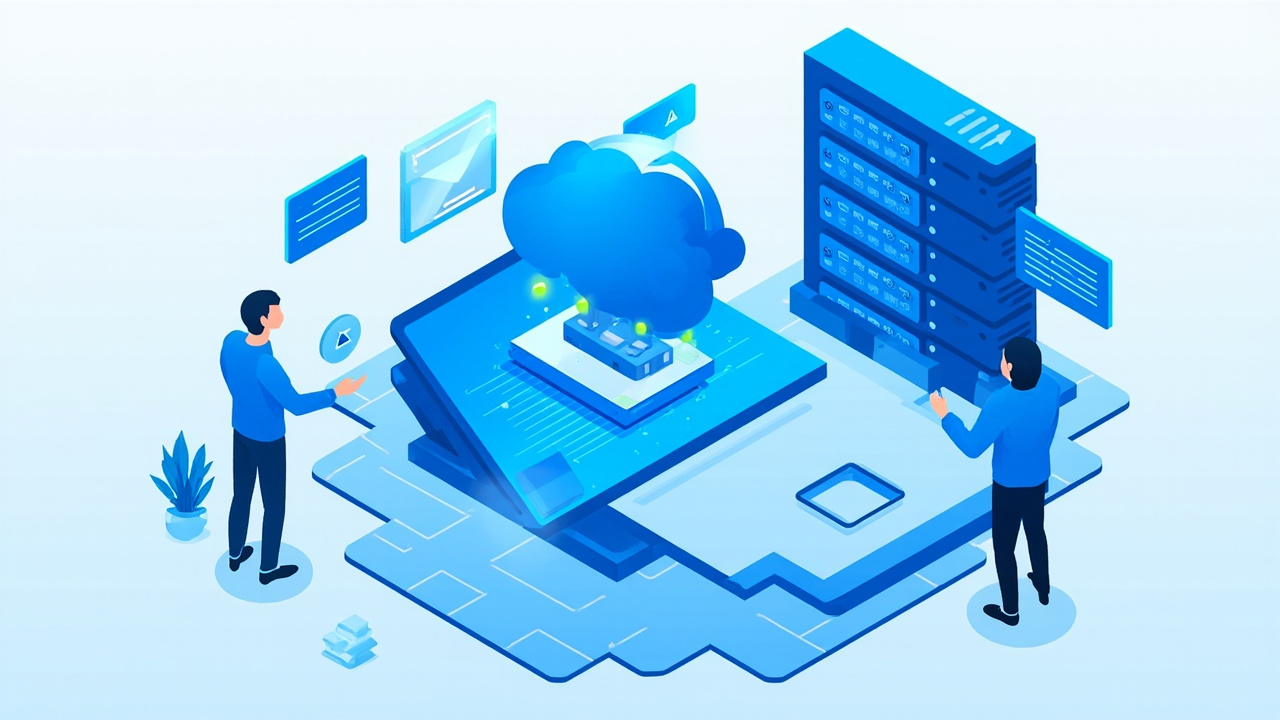
Think of it as a translation layer. On one side, you have the chaotic, unstructured web. On the other side, you have AI models that need organized, reliable data. This new layer sits in between and handles all the messy work.
Call it the "web data infrastructure layer" — the quiet backbone that's making the AI boom actually work.
A Familiar Story
Remember TCP/IP? Before that protocol existed, computers couldn't really talk to each other reliably. The internet had content, but no universal language for sharing it. Once TCP/IP arrived, everything changed.
We're seeing the same pattern now with AI. The data infrastructure layer provides the protocols, APIs, and services that turn chaotic web data into something machines can actually use. It's not flashy work. Nobody writes blog posts about data pipelines. But just like roads had to exist before cars could drive anywhere, this infrastructure has to exist before AI can scale.
Two Paths, Both Painful
Right now, if you're building an AI application, you're probably stuck choosing between two bad options:
Option one: Spend months building your own data collection system. Scrape websites, clean the data, maintain the whole thing yourself. This eats your engineering budget and distracts from your actual product.
Option two: Use incomplete datasets and accept that your model will have blind spots. Ship something that works most of the time but fails when reality changes.
Neither approach holds up when you need to grow.
The Real-Time Problem
Here's what training tutorials don't mention: teaching an AI using past data is the simple part. Building an app that needs live information — current prices, fresh content, instant changes — that's where most projects stall.
The web data infrastructure layer solves this specifically. It's designed to deliver data when you need it, formatted so your system can use it immediately. For anyone building dynamic applications, this isn't optional — it's the difference between a demo that dazzles in a controlled environment and a product that survives contact with the real world.
How This Connects to NameOcean
At NameOcean, we've always believed the best infrastructure is invisible. You shouldn't have to think about it — it should just work.
That philosophy guides everything we do with domains and hosting. But we also pay attention to the bigger picture our customers operate in. Whether you're adding your first AI feature to a startup or managing enterprise-level applications, understanding this emerging infrastructure layer gives you a real advantage.
The developers and teams who adopt these patterns early will move faster, scale smoother, and skip the data headaches that derail so many promising AI projects.
The Big Picture
We're in the beginning of a fundamental shift. The way AI systems access and consume web data is changing — and the infrastructure that emerges over the next few years will determine which applications thrive and which ones fade.
This is both an opportunity and a challenge. The infrastructure layer is coming whether you're paying attention or not. The only question is whether you'll be positioned to build on top of it when it arrives.
Understanding these shifts matters. At NameOcean, we're tracking the tools and technologies that help our customers stay ahead — from domain strategy to the infrastructure that powers tomorrow's applications.