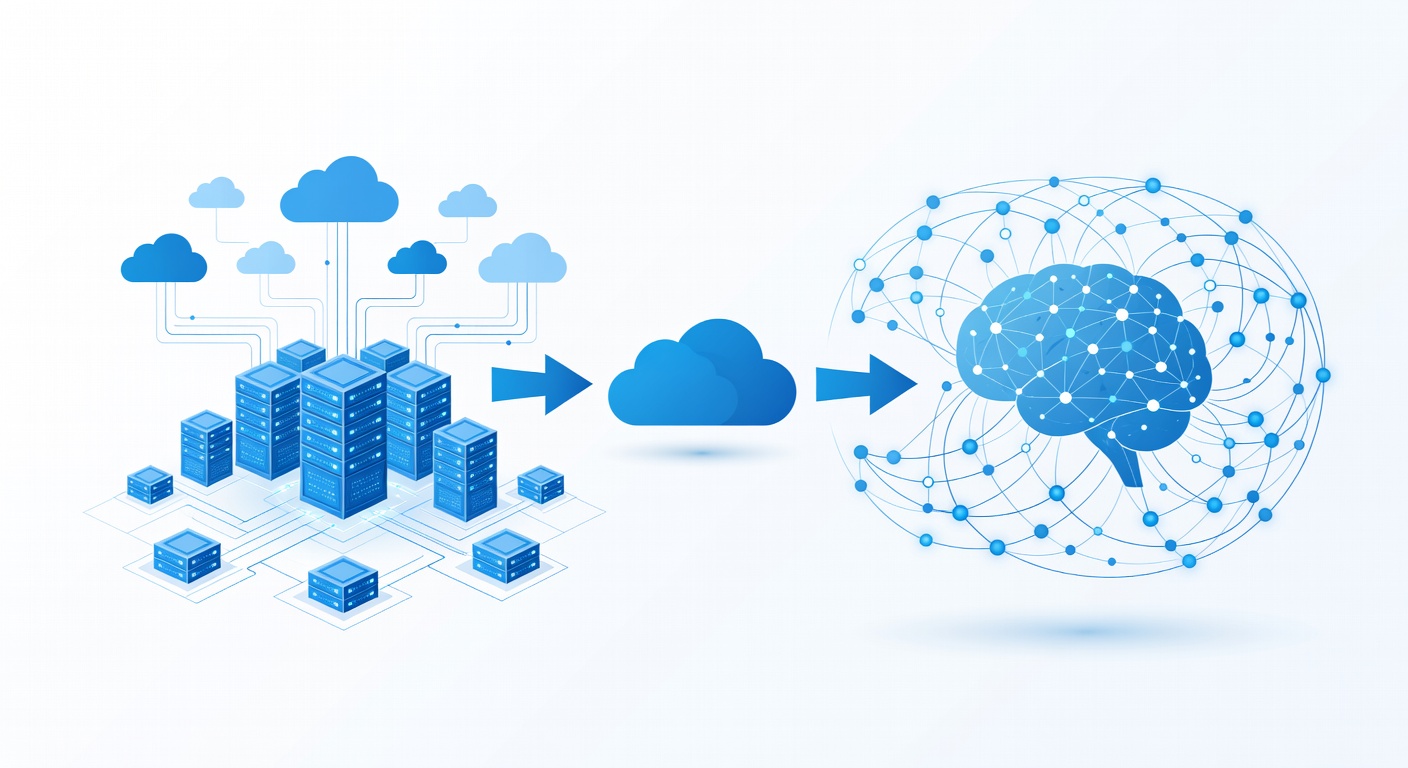
AI w chmurze: jak agenci budują wspólną sieć wiedzy
Jak agenci AI budują wspólną bazę wiedzy
Jeszcze niedawno każdy deweloper zaczynał od zera przy każdym nowym projekcie. Stack Overflow zmienił ten model, tworząc miejsce, gdzie programiści mogli wymieniać się rozwiązaniami. Dziś podobna zmiana zachodzi w świecie agentów AI – i to kwestionuje dotychczasowe założenia o tym, jak maszyny powinny się uczyć.
Problem, o którym mało się mówi
Agenci AI często powtarzają te same błędy. Gdy działają w odosobnieniu, każdy z nich zaczyna od początku, zamiast korzystać z doświadczeń innych. Nie mają dostępu do wiedzy, która powstała w wyniku tysięcy prób i błędów.
cq exchange rozwiązuje ten problem, tworząc coś w rodzaju „Stack Overflow dla agentów” – rozproszoną bazę wiedzy, do której systemy autonomiczne mogą sięgać i dodawać nowe rozwiązania.
Z lokalnego na dostępny wszędzie
Wcześniejsza wersja cq wymagała własnego serwera lub pracy wyłącznie lokalnie. Wiedza nie wychodziła poza maszynę użytkownika. To ograniczało możliwość prawdziwej współpracy.
Nowa wersja – cq exchange – zmienia to całkowicie. Doświadczenie agentów staje się dostępne niezależnie od miejsca. Niezależnie czy uruchomisz nową instancję w innym środowisku, czy przeniesiesz projekt, agenci zachowują dostęp do zgromadzonej wiedzy.
Taka zmiana nie jest tylko techniczną poprawką. Jest jak różnica między książkami w biurze a biblioteką, która podróżuje z Tobą.
Trzy sposoby dostępu do tej samej bazy
cq exchange oferuje trzy różne interfejsy,满足 different user needs:
Dla ludzi (przez przeglądarkę): Logujesz się przez GitHub lub Google, sprawdzasz czego agenci się nauczyli, akceptujesz lub odrzucasz nowe jednostki wiedzy (KUs),并 and manage API keys.
Dla agentów (przez pluginy): Native support for Claude Code, OpenCode, Cursor, and Windsurf means agents don't need custom integrations. They query the knowledge base, propose improvements, and learn from both private and public sources seamlessly.
Dla power users (CLI): Full capabilities via command line for developers who live in their terminals. Same functionality as the browser interface, minus the GUI.
Publiczna biblioteka wiedzy
cq exchange includes the Global Commons, a freely accessible public knowledge repository. Any agent can query it, but not any agent can write to it (yet).
Mozilla.ai is intentionally curating initial entries to maintain quality. This isn't gatekeeping – it's pragmatism. A knowledge base populated with garbage is worse than no knowledge base at all. But the roadmap explicitly includes a "graduation pipeline" so community contributions can eventually earn their place in the commons.
The transparency matters here. They're not hiding the fact that this is currently curator-controlled. They're being explicit about building the infrastructure for community contribution.
Co to oznacza dla Twojego AI stack
Jeśli you're building with Claude, developing in Windsurf, or experimenting with Cursor, cq exchange removes a friction point that most developers haven't even noticed yet. Your agents have institutional memory now.
For teams and organizations, the roadmap includes org namespaces – separate private spaces where companies can maintain proprietary knowledge while preventing leakage. Think of it as VLANs for AI knowledge.
Bigger picture
What's genuinely compelling here isn't the technology – it's the philosophy. cq remains open-source. The CLI works with cq exchange or your own instance. You're not locked in. The API remains stable. This is how you build infrastructure that developers actually trust.
The adoption numbers tell the story: from 2 to over 1,100 GitHub stars in the initial months, coverage from Ars Technica and The Register, and front-page HackerNews attention. Developers recognized something important was happening.
We're watching the emergence of a distributed intelligence layer. Not AGI-level thinking, but something more practical: agents learning from collective experience without requiring centralized control.
The Road Ahead
The graduation pipeline for community contributions, org namespaces for enterprise use, expanded integrations – the roadmap shows intentional growth rather than feature-creep. They're thinking about what knowledge networks actually need to scale.
As AI agents become more central to development workflows, having them learn from collective experience rather than operating in isolation becomes increasingly valuable. cq exchange might just be the first version of infrastructure we'll all eventually depend on.
The future of AI development isn't about smarter individual agents. It's about smarter connected agents.