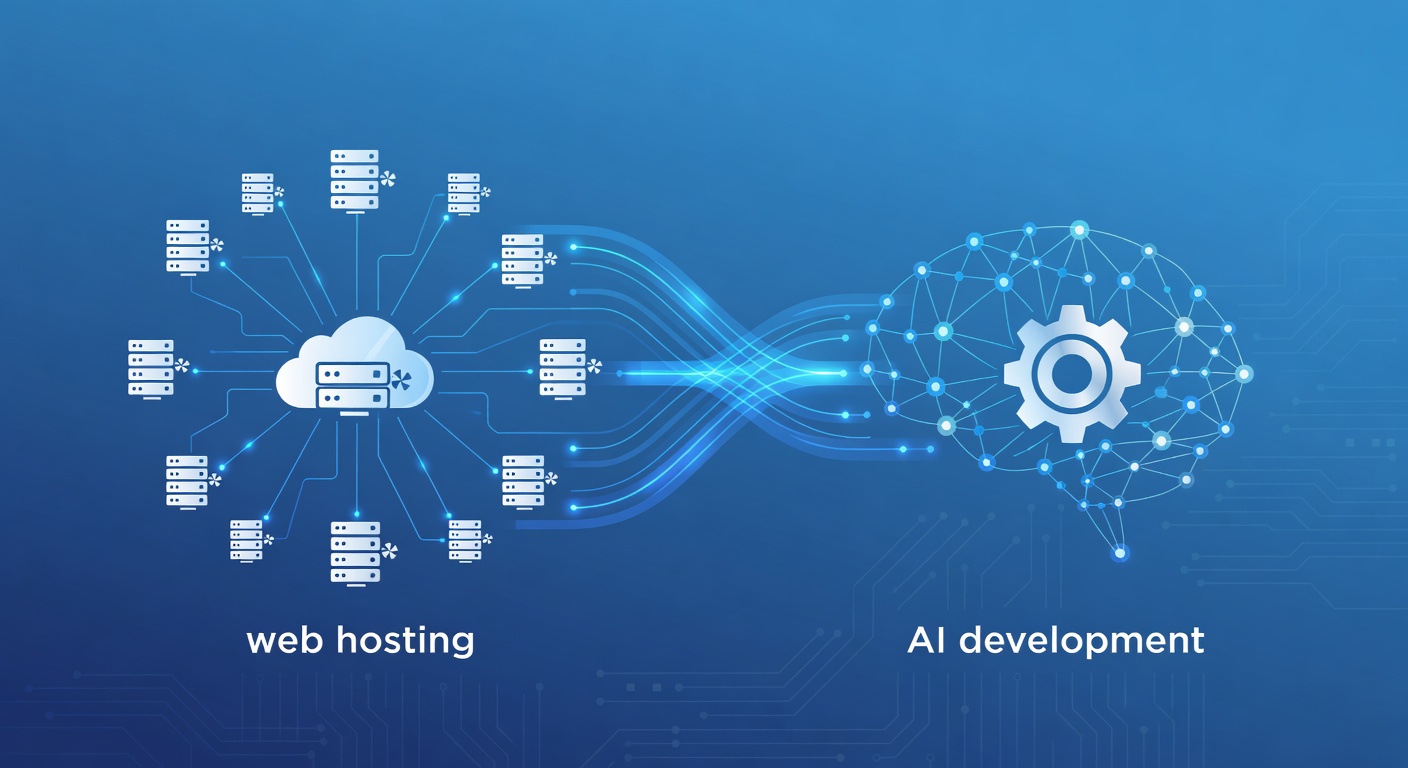
Automatiza tus flujos de desarrollo con plataformas de IA a escala empresarial
Cómo construir flujos de trabajo inteligentes en desarrollo: lecciones de plataformas enterprise de IA para programación
El entusiasmo inicial por los asistentes de código basados en IA ha pasado. Ya no se trata de ver si generan un "Hello World". Ahora la pregunta es más profunda: ¿pueden estos agentes encargarse del trabajo repetitivo y poco glamuroso que realmente consume tiempo de los equipos? ¿Entienden el entorno específico de cada organización? ¿Son capaces de validar sus propios resultados? ¿Funcionan a gran escala sin convertirse en otra herramienta que hay que supervisar?
Estas cuestiones ponen de manifiesto la distancia que existe entre lo que ofrecen las herramientas genéricas y lo que realmente necesitan las grandes organizaciones de ingeniería.
El trabajo operativo que nadie celebra (pero que lo cuesta todo)
Todos sabemos que buena parte del día a día de un desarrollador no es precisamente emocionante. Incluye tareas que parecen rutinarias pero que son esenciales para mantener el flujo de trabajo:
- Corregir fallos en el pipeline de CI
- Actualizar dependencias en repositorios muy grandes
- Investigar tests inestables que rompen las ejecuciones
- Solucionar bloqueos inesperados en los builds
- Gestionar migraciones que afectan a decenas de archivos
Estas tareas no son opcionales. Son necesarias para entregar software confiable. Sin embargo, también son interrupciones. Cada cambio de contexto consume energía mental. El ingeniero que estaba pensando en arquitectura ahora tiene que resolver un error de compilación. El desarrollador que estaba optimizando rendimiento se ve de nuevo en problemas de flakiness.
AI agents deberían ser capaces de manejar estos problemas. Son tareas determinísticas y bien estructuradas que gutachten bien los agentes. Pero hay una limitación: tu entorno de desarrollo no es como un proyecto de Python en GitHub.
Por qué las herramientas genéricas se quedan cortas en entornos grandes
Si tienes:
- Un monorepo enorme con dependencias internas
- Infraestructura de compilación personalizada (como Bazel)
- Pipelines de pruebas y validación propias
- Infraestructura on-premise que el equipo utiliza
- Requisitos de seguridad y compliance específicos de la organización
Las herramientas genéricas de AI agents funcionan bien para problemas aislados. Cuando se depen de un entorno real de despliegue, se versagen. Un agente que genera un parche "que parece correcto" no es usbar si no funciona en el sistema de build real. Si falla, debe ver el error y corregirlo —no simplemente dejar el código roto y esperar que el humano intervenga.
The fundamental insight: AI agents deben estar anclados en la realidad. Necesan acceso a tu infraestructura real, a tus sistemas de validation y a sus feedback loops.
La plataforma como solución
Esta is where the architecture choice matters. Podrías crear herramientas AI agents separadas para cada problema:
- Una para responder a fallos en CI
- Una para actualizaciones de dependencias
- Una para debuggear tests
- Una para asistencia en migraciones
But you'd also be rebuilding:
- Context management
- Validation workflows
- Observability and feedback
- Authentication and security
- Integration with your existing tools
Eso is a lot of wheel-reinvention. La plataforma unificada consolida estos elementos fundamentales una vez y luego se layered workflows diferentes encima.
A unified platform lets you:
Ejecutar agents in isolated, reproducible environments. Cada sesión recibe un snapshot de tu codebase en un commit específico, running en un entorno que matches tu actual infrastructure. No hay surprises cuando un agent generates code que "works on my machine" but fails in production.
Crear feedback loops. Después de que un agent proposes un change, inmediatamente validates it against your real build and test systems. If something breaks, feed that information back to el agent y let it continue. Esto es fundamentally different from "generate and pray"—el agent learns from its own failures in real-time.
Support multiple interaction patterns. Algunos trabajos are interactive (a developer wants to chat with an agent while working). Otros are async (an automated system should try fixing something in the background and surface results only if meaningful). A platform handles both without reinventing the validation, context, and execution logic.
Parallelize agent work. One agent session might take a while to investigate a complex failure. A platform design lets you run multiple sessions simultaneously, whether for different problems or different approaches to the same problem.
Integrate consistently. Your team might access agents through a web UI, CLI, API calls from automation, or embedded in internal services. A platform ensures the underlying execution, validation, and context handling stays consistent across all these interfaces.
Implicaciones para tu infraestructura
Si du bist en una organización de ingeniería de tamaño medio a grande, erkennst du dich en este problema. Si AI agents werden immer fähiger, is the question from "should we use them?" to "how do we integrate them properly?"
A few practical takeaways:
Invest in your validation layer. La most valuable part of an agent platform is its ability to check its own work. If your build, test, and validation pipelines aren't accessible and automatable, AI agents can't be trusted. Make this infrastructure solid first.
Start narrow, expand carefully. No try to make agents solve everything at once. Pick a specific, well-defined problem (CI failures, dependency updates, flaky tests—something concrete). Solve that problem thoroughly, including validation and feedback loops. Then expand to adjacent problems, reusing the infrastructure you've built.
Design for observability from day one. You need to understand what agents are doing, when they're working well, and when they're failing. This isn't just about monitoring—it's about getting feedback to improve both your prompts and your platform.
Consider your tooling ecosystem. The best AI platform can't overcome poor integration with the tools your team actually uses. Think about CLI, IDE plugins, web interfaces, and automation hooks. Make it effortless for agents to access the information they need and run the validation they require.
La más breite shift
What's happening here goes beyond coding agents. Es una shift en como wir denken über automation en software development. Wir sind moving from "tools that sometimes help" to "integrated systems that learn from their own attempts." Wir sind moving from "generate code we hope works" to "propose changes, validate them, iterate until they're correct."
This requires infrastructure investment. It requires rethinking how your development environment works. But the payoff is real: engineering teams that reclaim hours of operational work every week, contexts that aren't interrupted by mundane troubleshooting, and a systematic way to improve how agents assist your team over time.
The companies that nail this—platforms that truly integrate agents into their development lifecycle—will ship faster and let their engineers focus on the work that matters. Everyone else will be managing multiple point solutions and wondering why their agents aren't more useful.
If you're building for the cloud or managing complex development infrastructure, these lessons apply to you. Start thinking about how coding agents could fit into your world—not as standalone tools, but as integrated parts of your development platform.