AI Assistants χωρίς cloud: Γιατί η τοπική επεξεργασία είναι το μέλλον της ιδιωτικότητας
When Your AI Stays Home: The Rise of On-Device Assistants
Let's be real for a second. We casually hand over our voice recordings, search habits, and daily routines to AI companies without blinking. The trade-off feels acceptable because, honestly, the convenience is hard to beat.
But here's the thing: what if we didn't have to choose?
Enter Underdog
This newcomer has some serious backing from Silicon Valley heavyweights. More importantly, it's pushing a pretty radical idea: what if your AI assistant never called home?
The concept is straightforward. Your data stays on your device. Period.
The Cloud Problem Nobody Talks About
When you ask Siri to set an alarm or chat with your favorite AI tool, that request typically bounces to remote servers. It's processed there, stored there, and sometimes used to train future versions of the model.
For most people, this sounds abstract. But for developers? For businesses in healthcare, law, or finance? It's a major red flag.
We've seen the fallout. Leaked conversations hit the news. Training data practices face scrutiny. Regulations like GDPR are just the beginning—AI-specific legislation is coming fast.
What Underdog Does Differently
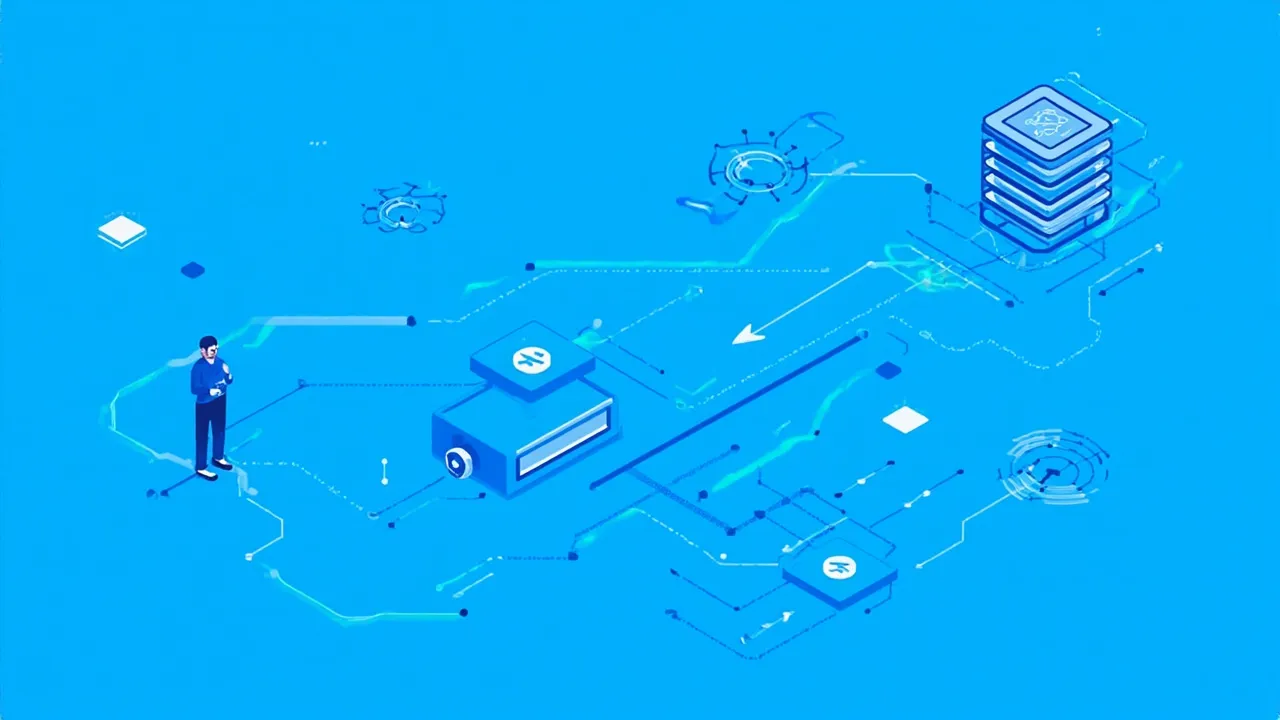
Underdog flips the script. Everything happens locally, on your phone, laptop, or whatever device you're using. No external servers involved.
This isn't a marketing gimmick. It's fundamental to how the system works.
For developers, this opens exciting possibilities. Offline AI functionality. Response times measured in milliseconds. Compliance with strict data residency rules without building complex infrastructure.
The Honest Trade-offs
Let's not pretend this is perfect. On-device processing has real limitations.
Consumer-grade models can't always match cloud giants for complex reasoning tasks. Hardware demands can be steep. Keeping the system updated without constant connectivity requires clever engineering.
But here's where it gets interesting: do most users actually need that level of capability?
Setting reminders, drafting quick emails, answering straightforward questions—these everyday tasks don't require GPT-5-level intelligence. They need speed, reliability, and respect for your personal space.
Where the Industry Is Heading
Underdog isn't alone in this space. Apple's on-device AI push. Google's custom chips optimized for local processing. Open-source projects gaining momentum.
The real question isn't whether on-device AI matters. It's who will nail the execution.
For businesses, this matters. As users become more privacy-aware, apps that default to cloud processing will face questions that privacy-first alternatives simply won't.
For developers, learning frameworks like Core ML, TensorFlow Lite, and ONNX is becoming genuinely valuable.
The Bigger Picture
We're at an interesting crossroads. The "everything to the cloud" philosophy that dominated the last decade is being challenged.
Sometimes cloud processing makes sense. Sometimes your pocket is the best place for the work to happen.
Underdog embodies this shift. It bets that users want capable AI that doesn't treat their data like inventory.
Commercial success? That's still uncertain. But the core idea? Hard to argue against.
Maybe the future of AI assistants isn't about raw power. Maybe it's about knowing when to mind your own business.