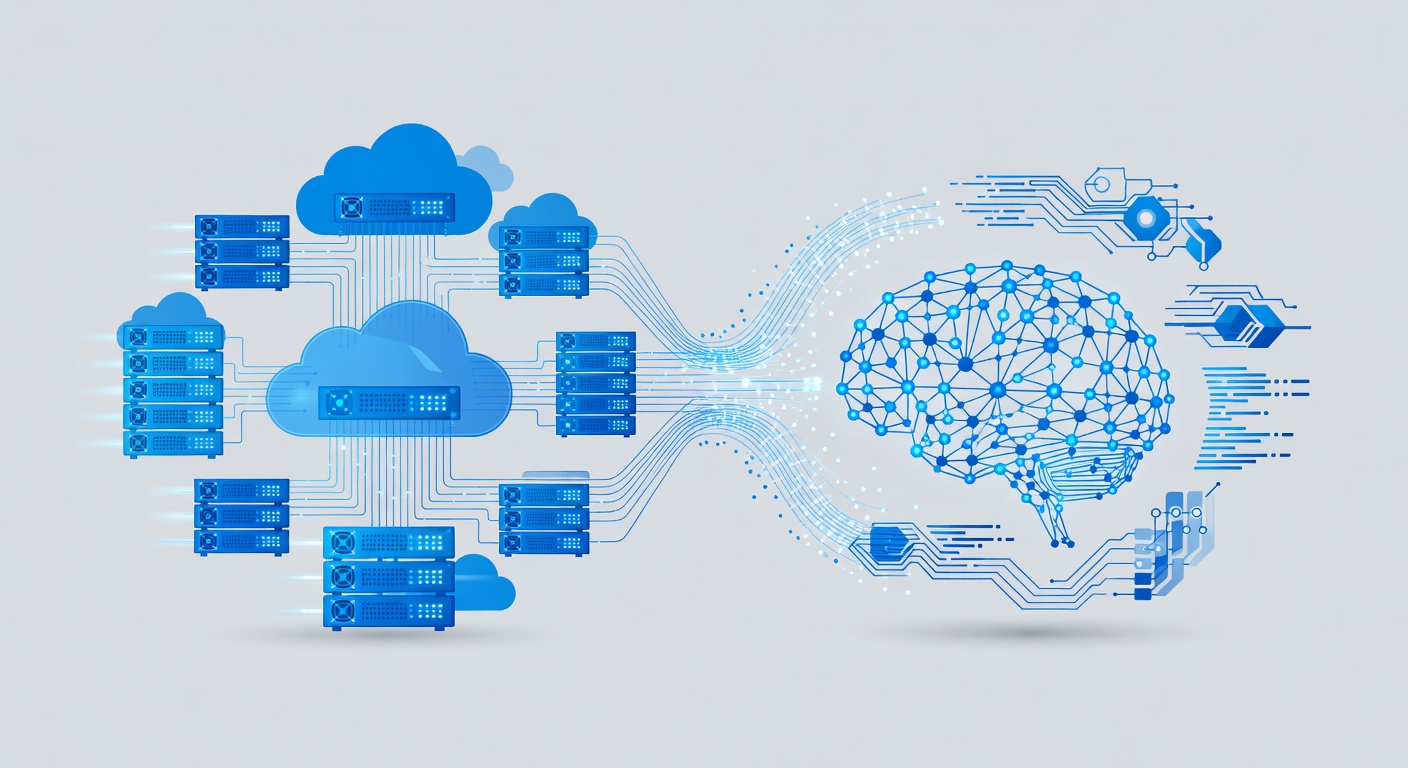
Как AI-стратегия в вашей компании может взорваться в любой момент
Предпринимательская AI-революция, которую мы не ожидали
Если ваша компания запустила AI-проект в течение последнего года, то вы уже наверняка чувствуете давление сверху. Руководство хочет быстрых результатов, а инженеры экспериментируют с ChatGPT при написании кода и документации. Но реальность жёстче: большинство корпоративных AI-пилотов проваливаются, потому что команды начинают строить без чёткого плана.
Проблема не в искусственном интеллекте. Проблема в том, что мы путаем быструю сборку прототипов с полноценной промышленной архитектурой.
Проблема «вайб-кодинга»: когда скорость оборачивается угрозой
Когда-то «двигайся быстро и ломай всё» было девизом стартапов. Но ломать вещи в небольшой команде и в крупной компании — это разные вещи.
Термин «вайб-кодинг» ввёл в 2025 году исследователь Андрея Карпати. Он описывает подход, при котором разработчики создают целые приложения, просто описывая их языком промптов. Для личных проектов или тестовых версий это работает отлично. Но когда речь идёт о системах, обрабатывающих чувствительные данные или важные операции, ситуация становится опасной.
AI-модели не обладают памятью о архитектуре. Они не умеют сохранять одинаковые паттерны дизайна по всему проекту. А когда приходится исправлять ошибку, они часто вводят три новых.
Согласно опросу Stack Overflow за 2025 год среди 49 000 разработчиков:
- 66 % сталкиваются с «почти готовым», но неправильным кодом от AI
- 45 % тратят больше времени на отладку AI-кода, чем на его создание с нуля
- Опытные разработчики с AI-инструментами работают на 19 % медленнее, вопреки их ощущению, что siehe siehe
Опытные разработчики с AI-инструментами работают на 19 % медленнее, вопреки их ощущению, что они быстрее.
Вайб-бомбы: скрытая бездна безопасности
Многие компании сейчас unconsciously deploy "vibe bombs"—code that will compromise network security at some unpredictable future date.
В 2025 году компания Veracode опубликовала статистику,显示 that 45 % of AI-generated code contains exploitable vulnerabilities. The 86 % of cross-site scripting failures appear in relevant code samples. AI-coauthored code has 1.7x more major issues than human-written code. Security vulnerabilities appear 2.74x more frequently in AI-generated code.
These numbers are not theoretical. They are measured, documented risks. And in most cases, no human engineer has actually reviewed the code before it ships to production.
The culprits are predictable: unverified third-party dependencies, hard-coded secrets, excessively permissive default settings, and insecure logic patterns that an experienced architect would spot immediately.
Когда AI заменяет человеческое мышление
Это особенно brüchig.
Wharton researchers Steven D. Shaw and Gideon Nave published groundbreaking research in January 2026 that explains why developers are shipping flawed AI-generated code with such confidence. They call it "cognitive surrender."
Their research identified three cognitive pathways:
- System 1: Fast, intuitive thinking
- System 2: Deliberate, logical thinking
- System 3: External AI-powered assistance
When humans rely heavily on System 3 (AI), something unexpected happens. They stop scrutinizing the output. They stop applying their natural intuition and analytical skills. Instead, they unconsciously accept the AI's answer and recode it as their own judgment.
Across three experiments with over 1,300 participants and nearly 10,000 individual trials, Shaw and Nave found:
- When AI guidance was wrong, accuracy fell 15 percentage points below baseline
- Reported confidence rose 10% regardless of whether the AI was actually correct
- Developers showed unwarranted confidence in flawed logic
This isn't laziness. It's a measurable psychological phenomenon where the presence of an authoritative AI source literally rewires how humans approach critical thinking.
In enterprise software development, this means architects are abdicating responsibility. Critical design decisions are being delegated to systems that can't see the big picture. And developers are shipping that code with genuine confidence that it's correct.
The Architecture Question No One's Asking
The fundamental issue is that organizations lack enterprise-wide architecture specifically designed to optimize AI systems. There is no AI governance framework. There is no vetting process. There is no human verification gate.
Instead, teams are downloading consumer-grade chatbots and using them for sensitive work products. The result? Unauthorized disclosure of confidential information. IP leakage. Regulatory compliance violations. Credential exposure.
At NameOcean, we've spent considerable time thinking about this. When you're managing infrastructure—domains, DNS, SSL certificates, cloud hosting—you can't afford cognitive surrender. You can't afford vibe coding. You need architecture that thinks at enterprise scale.
Что на самом деле работает
The path forward requires three things:
1. Intentional Architecture Define your AI systems the same way you'd define any critical infrastructure. Establish patterns. Document decisions. Create constraints.
2. Human Verification Gates Every AI-generated component that touches production must pass human review. Not spot-checks. Not sampling. Full review by experienced architects who understand the business implications.
3. Governance Frameworks Establish clear policies about which tools can be used for which purposes. Consumer-grade chatbots have no place generating code for systems handling sensitive data.
The uncomfortable truth is this: if your heuristic for AI adoption is "average quality," you're directly in the LLM kill zone. You'll get something that looks right, works most of the time, and fails catastrophically at precisely the wrong moment.
The Bottom Line
Enterprise AI isn't a technology problem. It's an architecture and governance problem. The tools are powerful. But power without structure is just risk on a timeline.
The vibe bombs are already out there. The question is whether your organization is deploying them or defending against them.
At NameOcean, we believe AI should augment human expertise, not replace it. That's what Vibe Hosting is designed to do—assist developers while maintaining the architectural rigor that production systems demand.
The future of enterprise AI belongs to organizations that marry speed with discipline. That celebrate AI assistance while refusing cognitive surrender. That treat infrastructure like infrastructure, not like a prototype.
The Bottom Line
Enterprise AI isn't a technology problem.