Gemini fra Google: Nu går det for alvor løs i AI-kapløbet
AI-landskabet har ændret sig
Google overraskede ikke bare med nye funktioner i Gemini ved IO 2026. De sendte et klart signal: Tiden med isolerede AI-chatbots er ved at være ovre. Fremtiden tilhører store, sammenhængende AI-platforme.
Konkurrencen er hård. ChatGPT har stadig den største opmærksomhed, mens Claude er populær blandt mange udviklere. Men Google har et kort på hånden, som konkurrenterne endnu ikke har knækket: dyb integration med en hel række tjenester, infrastruktur og API’er.
Fra chatbot til produktivitetsværktøj
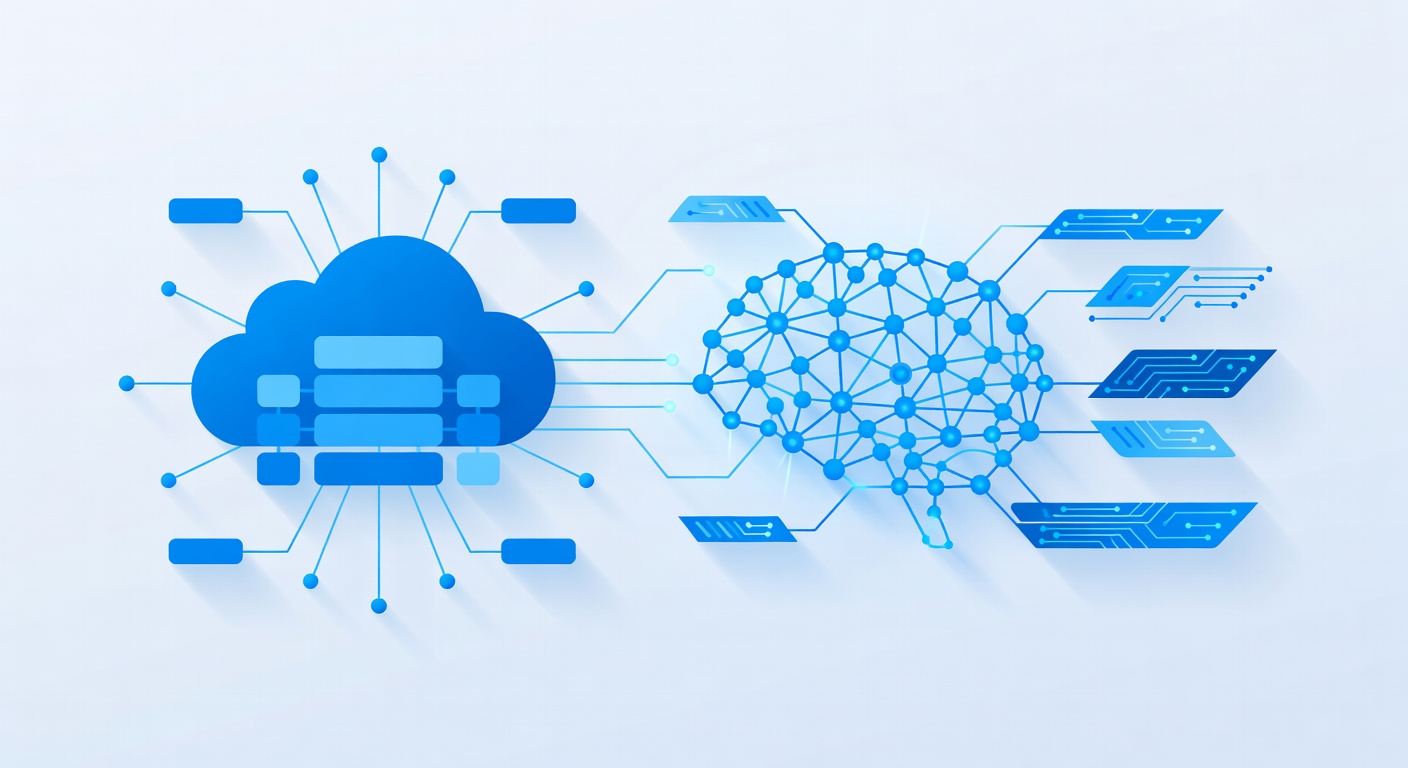
Gemini er ikke længere bare en tekstgenerator. Med de nye opdateringer bliver den en central hub, der binder søgning, Workspace-værktøjer, cloud-tjenester og egne integrationer sammen.
Det kan sammenlignes med at gå fra at have en lommekniv til at have et fuldt udstyret værksted. Begge ting er nyttige, men kun det ene lader dig bygge noget rigtigt.
De vigtigste ændringer er:
- Native cloud integration giver Gemini adgang til Google Cloud, så den kan bruges direkte i virksomhedsarbejdsgange
- Workspace connectivity gør det muligt at lave dokumenter, analysere data og samarbejde med AI’s støtte
- Custom API access lader udviklere tilføje deres egen logik og udvide funktionaliteten
- Cross-platform consistency sikrer samme oplevelse på tværs af mobil, web og integrerede apps
Hvorfor det rammer konkurrenterne
OpenAI og Anthropic har bygget stærke produkter, but they’re fighting an uphill battle when competing against Google's infrastructure advantages. Google can afford to integrate AI deeper into systems that billions of people already use daily.
ChatGPT er tilgængelig og fine-tuned for conversation, but Claude excels at nuance and reasoning. But Gemini's advantage is different—it's ubiquity with capability. Your email is there. Your calendar is there. Your drive files are there. And now, Gemini is the interface tying it all together.
For developers and startups, this raises important questions:
- Should you build on Gemini's API, or stick with OpenAI's established ecosystem?
- How will these tools integrate with your current infrastructure?
- What's the long-term viability of each platform?
The Real Winner: Integration
The honest answer? We're all benefiting from this competition. Each major player is pushing toward the same endgame—AI that understands context, remembers your preferences, and seamlessly operates across your digital life. The war isn't about who has the best model anymore. It's about who controls the most valuable real estate: your workflow.
Google's play is smart because it doesn't ask you to replace your tools. It asks you to enhance them. Gmail users get smarter email. Workspace users get faster documentation. Cloud developers get better tools for debugging and deployment.
What This Means for Your Stack
If you're building with cloud hosting (say, on platforms that support AI integration), you need to think about interoperability. At NameOcean, we see developers increasingly asking how their domain infrastructure, DNS management, and hosting platforms can connect with AI services.
The domain space itself is transforming. More businesses now need smart routing, AI-powered security checks, and automated DNS management. Vibe Hosting approaches this by embedding AI-assisted insights directly into the hosting layer—helping developers optimize performance without deep DevOps expertise.
Here's the practical takeaway: Don't chase the AI trend. Choose the platform that integrates with your existing workflow. Whether that's Gemini, ChatGPT, Claude, or a combination—the tool that wastes the least time on friction is the winner.
Looking Ahead
Google's IO announcement suggests we're moving toward an era of AI-first infrastructure, not AI-first applications. The companies that win will be those that make AI feel invisible—just another layer of intelligence making existing services better.
For developers and startups, this is your permission slip to experiment. Build with multiple platforms. Test integrations. See what your users actually need. The competitive landscape means you have incredible options, and genuine improvements are coming faster than ever.
The chatbot wars aren't over. They're just entering a new phase—one where the winner isn't determined by conversation quality alone, but by ecosystem depth, integration elegance, and genuine productivity gains.
What's your take? Are you sticking with your current AI tools, or exploring Gemini's new capabilities? Drop your thoughts in the comments—we love hearing how developers are adapting to these shifts.